
Cultural insights into the thrill of gambling across different societies
The Historical Roots of Gambling
Gambling has deep historical roots, tracing back thousands of years. Ancient civilizations, including the Romans and Chinese, embraced games of chance as part of their cultural practices. In Rome, dice games were popular among both the elite and common people, illustrating the universal appeal of risk-taking and chance. The earliest known gambling artifacts, such as betting slips and dice, further highlight how integral gambling has been to social interaction and recreation throughout history. Nowadays, many enthusiasts are drawn to a new online casino experience that reflects this long-standing tradition.
In addition to entertainment, gambling often served other societal functions. For instance, during festivals in ancient China, gambling was a way to bring communities together, promoting social bonding. Similarly, the Romans used gambling as a method of engaging in political discourse and rivalry. These historical contexts underscore the role of gambling in shaping community dynamics, reflecting broader social values and norms.
As societies evolved, so did the forms and meanings of gambling. From simple dice games to elaborate casinos, the platforms may have changed, but the thrill of chance remained a constant. The psychological drive to take risks, challenge luck, and potentially gain rewards manifests across various cultures, revealing a fundamental aspect of human nature that transcends time and geography.
Cultural Perspectives on Gambling
Cultural beliefs and norms significantly shape attitudes toward gambling, influencing who participates and how it is perceived. In many Western societies, gambling is often associated with individualism and personal freedom. This notion embraces the idea that individuals have the right to choose their own destiny, even if that involves risking their financial security. Las Vegas, often dubbed the gambling capital of the world, epitomizes this ethos, showcasing glamorous casinos and high-stakes betting.
Conversely, in some Eastern cultures, gambling can carry a more complex and sometimes negative connotation. In countries like Japan, while certain forms of gambling are permitted, they are often viewed with suspicion or seen as morally ambiguous. The societal narrative around gambling tends to emphasize caution and the potential for addiction, reflecting a more collectivist attitude that prioritizes social harmony and stability over individual gain.
These divergent perspectives highlight how culture informs the social acceptability of gambling activities. It illustrates that while the thrill of gambling may resonate universally, the context in which it is enjoyed can either promote or inhibit participation. The varying narratives surrounding gambling across different societies shape individual behaviors, creating a rich tapestry of beliefs and practices surrounding this age-old pastime.
The Psychological Thrill of Gambling
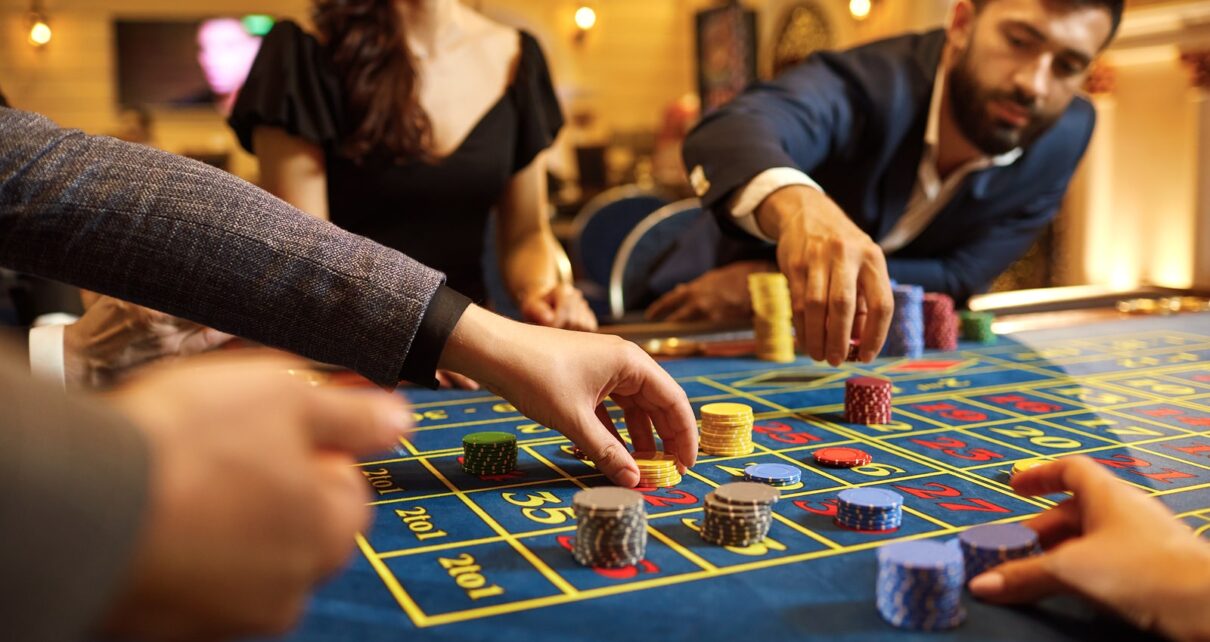
The allure of gambling transcends mere monetary gain; it taps into fundamental psychological desires such as excitement, risk-taking, and the pursuit of rewards. The thrill that accompanies placing a bet or spinning a roulette wheel stems from the unpredictable nature of these activities. This uncertainty triggers adrenaline and excitement, creating an emotional high that can be addictive for some individuals. Cognitive psychology explains this phenomenon through concepts like the ‘near-miss effect,’ where losing by a close margin can be exhilarating and spur further gambling.
Additionally, the social aspect of gambling contributes significantly to its appeal. Many individuals participate in gambling as a group activity, whether it’s at a casino, a sports betting event, or a friendly poker night. The interactions and camaraderie experienced during such events can enhance the overall excitement, providing a sense of belonging that many people crave. This social dimension is particularly important in cultures where community ties are emphasized, turning gambling into a shared experience rather than a solitary pursuit.
Furthermore, the psychological benefits of gambling extend to escapism for many participants. For some, engaging in gambling offers a temporary reprieve from daily stresses or life challenges. This escape can manifest as a thrilling adventure, where participants temporarily step outside their routine lives. Thus, gambling serves a multifaceted role in society, acting as a source of entertainment, social connection, and psychological relief.
The Economic Impact of Gambling
Gambling is not only a cultural phenomenon but also a significant economic driver in many societies. Regions with legalized gambling, such as the United States, Canada, and parts of Europe, often experience substantial financial benefits. Revenue generated from casinos and betting establishments contributes to local economies, funding infrastructure, schools, and healthcare services. Additionally, the gambling industry creates thousands of jobs, ranging from hospitality to security, providing livelihoods for many individuals.
However, this economic impact is not without controversy. Critics argue that while gambling generates revenue, it can also lead to social costs. The potential for gambling addiction and financial distress among individuals can strain public resources and social services. This dichotomy presents a complex challenge for policymakers who must balance the economic benefits of gambling against its potential societal repercussions.
The contrasting views on gambling’s economic implications further illustrate the cultural narratives surrounding it. While some societies celebrate the financial influx and job creation that accompany gambling, others prioritize the moral and ethical considerations associated with potential harm to vulnerable populations. Thus, the economic landscape of gambling reflects the broader values and beliefs of a society, shaping how gambling is approached and regulated.
Security and Responsible Gambling Practices
In an increasingly digital world, the rise of online gambling platforms has transformed how individuals engage with betting. These platforms offer convenience and accessibility, allowing players to gamble from the comfort of their homes. However, this shift has also raised concerns about the security of sensitive personal and financial information. As a response, many online gambling sites implement stringent security measures to protect users, creating a safe environment for responsible gaming.
Responsible gambling practices are essential to ensure that the thrill of betting does not lead to negative consequences. Many cultures emphasize the importance of moderation and self-control in gambling activities. Initiatives aimed at promoting responsible gaming, including self-exclusion options and educational resources, are increasingly common. These practices empower individuals to make informed decisions about their gambling habits while minimizing the risk of addiction.
The intersection of security and responsible gambling practices demonstrates a growing awareness of the potential pitfalls associated with gambling. As societies continue to navigate the complexities of this activity, ensuring safety and promoting healthy behavior becomes paramount. This cultural shift reflects a more informed approach to gambling, prioritizing player protection and well-being alongside the enjoyment of the thrill.

Conclusion: Insights from Cultural Gambling Practices
The exploration of gambling across different societies reveals rich cultural insights that reflect diverse values, beliefs, and practices. From historical roots to contemporary implications, gambling serves as a lens through which societal dynamics can be understood. The thrill of betting is intertwined with psychological, economic, and social factors that shape individual and collective experiences.
In conclusion, as the global landscape of gambling continues to evolve, understanding the cultural context in which it exists is crucial. This appreciation not only informs responsible gambling practices but also enriches the dialogue surrounding this multifaceted activity. Ultimately, gambling remains a fascinating human endeavor, reflecting our age-old relationship with chance and risk.