
The psychology of gambling understanding the mind behind the bet
The Allure of Gambling
The fascination with gambling often stems from a blend of thrill, the potential for financial gain, and the allure of luck. Many individuals are drawn to casinos and betting sites because they offer an exciting escape from the monotony of daily life. The adrenaline rush associated with placing bets can provide a sense of euphoria that is difficult to replicate in ordinary experiences. This rush is often heightened in environments designed to enhance excitement, such as flashy lights and energizing sounds in casinos. As players explore their options, they might find that an online casino no verification experience can further amplify their enjoyment of the game.
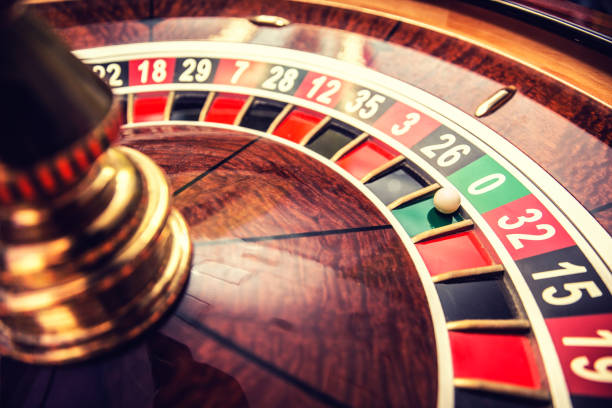
An important aspect of this allure lies in the hope of hitting the jackpot. The possibility of winning large sums of money creates a fantasy that entices players to engage in gambling activities, even if the odds are typically against them. Individuals might convince themselves that they can beat the odds, driven by success stories or favorable narratives about luck. This psychological phenomenon can lead to risky behavior and compulsive gambling, often overshadowing rational decision-making.
Moreover, social factors contribute significantly to the appeal of gambling. Many people enjoy the camaraderie of playing games with friends or even strangers. The shared experience of betting, celebrating wins, and commiserating over losses can foster a sense of community. For some, the social interactions associated with gambling activities can be just as rewarding as the act of gambling itself, creating a complex web of psychological motivations that go beyond mere financial gain.
The Role of Luck vs. Skill
The debate over whether gambling is primarily a game of luck or skill has been ongoing for years. Certain games, such as poker or blackjack, involve a significant degree of skill and strategy, allowing experienced players to increase their chances of winning over time. Players who invest time in understanding game mechanics and developing strategies can often achieve better results compared to casual players who rely solely on luck. This distinction adds a layer of complexity to gambling, as it shifts the perception from random chance to calculated risk.
Conversely, many casino games, such as slot machines and roulette, are predominantly based on luck. The outcomes of these games are largely determined by random number generators or chance, leaving little room for skill to influence results. This reliance on luck can create a sense of unpredictability that many find exhilarating. The prospect of winning purely through luck can be compelling, fostering a belief in fate or destiny that resonates deeply with many gamblers.
Ultimately, the interplay between luck and skill shapes individual experiences in gambling. Players may favor skill-based games to assert control over their outcomes, while others may gravitate towards luck-based games for the sheer thrill of uncertainty. Understanding these motivations is crucial for grasping the psychological nuances that drive individuals to gamble, and it highlights the diverse perspectives within the gambling community.
Psychological Triggers in Gambling
The psychology of gambling is profoundly influenced by various cognitive biases that can lead individuals to make irrational decisions. One common bias is the illusion of control, where players believe they can influence outcomes through their actions, despite the randomness of the game. For example, a player might think that choosing specific numbers in a lottery increases their chances of winning, leading to a false sense of agency. This belief can create a powerful emotional attachment to the act of gambling.
Additionally, the near-miss effect can significantly impact gambling behavior. When players come close to winning—such as landing on similar symbols on a slot machine—they often experience increased motivation to continue playing. This psychological phenomenon can reinforce gambling behavior, leading individuals to chase losses in hopes of eventually hitting a win. The emotional highs and lows of gambling create a rollercoaster experience that can be both exhilarating and detrimental.
Furthermore, the reinforcement of reward pathways in the brain also plays a critical role in gambling addiction. Winning activates the brain’s pleasure centers, releasing dopamine and reinforcing the desire to gamble again. Over time, this can result in a cycle of chasing wins and coping with losses, potentially leading to compulsive gambling behavior. Understanding these psychological triggers is vital for recognizing the fine line between recreational gambling and problematic gambling habits.
The Impact of Environment on Gambling Behavior
The environment in which gambling takes place can significantly affect players’ behavior and decision-making. Casinos are meticulously designed to create a sensory-rich experience that encourages prolonged play. The sights, sounds, and even scents in these establishments are tailored to keep players engaged and minimize distractions. This immersive environment can lead to increased spending, as players may lose track of time and money while caught up in the excitement.
Moreover, online gambling platforms have transformed the gambling landscape by providing access to games anytime, anywhere. The convenience of online casinos can lead to impulsive betting behavior, as individuals can easily log in and place bets without the social cues present in physical casinos. This shift has raised concerns about responsible gambling, as players may find it harder to set limits or recognize the time spent playing.
The social atmosphere also plays a crucial role in shaping gambling experiences. Engaging in gambling activities with friends or participating in community events can create positive associations and enhance enjoyment. Conversely, the isolation that can come with online gambling or solitary play can lead to negative psychological effects, making it easier for individuals to lose track of their gambling habits. Understanding the environmental factors influencing gambling behavior is essential for addressing potential risks and promoting responsible gambling practices.

Exploring Responsible Gambling and Support
The growing awareness of gambling addiction and its psychological implications has led to the development of initiatives focused on responsible gambling. Many organizations offer resources to educate players about the risks associated with gambling and promote healthy behaviors. These resources include self-assessment tools, support groups, and hotlines that provide assistance to individuals grappling with gambling-related issues. By fostering a culture of awareness and understanding, these initiatives aim to mitigate the negative impact of gambling on individuals and communities.
Additionally, many casinos and online platforms are implementing measures to promote responsible gambling. These measures can include setting deposit limits, providing cooling-off periods, and offering educational materials about the odds of games. Such strategies aim to empower players to make informed choices and recognize when their gambling behavior may be becoming problematic. The integration of these practices reflects a growing commitment to ensuring a safer gambling environment.
Ultimately, the responsibility lies not only with the individual gambler but also with the industry as a whole. By prioritizing transparency, education, and support, stakeholders can create a more sustainable gambling culture that recognizes the psychological complexities at play. The journey toward understanding the mind behind the bet is ongoing, and it requires a collaborative effort to address the multifaceted nature of gambling behavior.